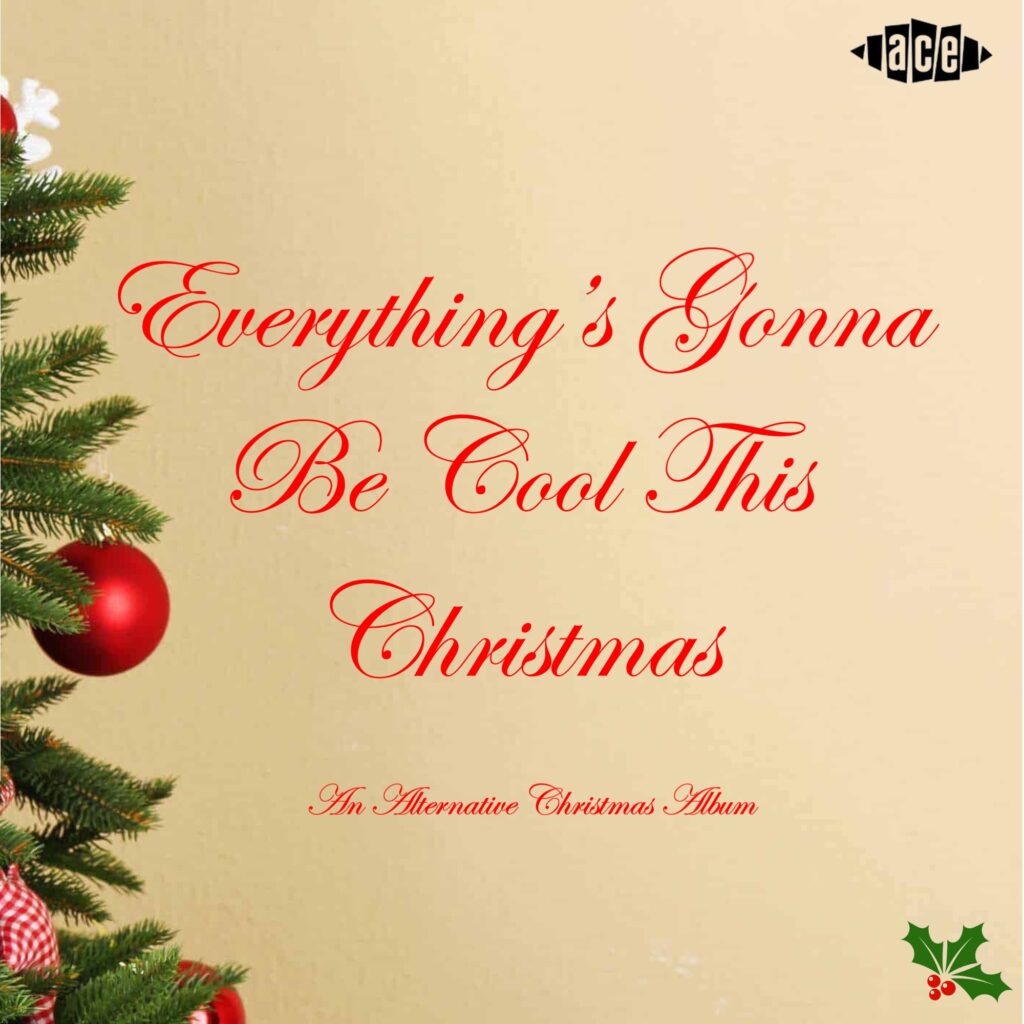
It is almost the end of 2025, it is time for another collection of pictures I have found on line that look like LP covers. Sorry for not acknowledging where these pictures came from this year.
This also gives me an opportunity to share a bit of news. This has been the first year since I started this blog in 2012 that I have not posted a podcast. Granted, these have gone from being once a month to once a year of late, but having lost my good friend & co-host Darryl Bullock at the end of 2024, it seemed like a good time to call it a day. it just wouldn’t be the same with out him sharing his thoughts on the years purchases.
Going forward, I will also not be posting as many playlists & lost albums as previous years. There are other projects I will be working on & I hope to post these on here in future.
Well, Christmas time is upon us again and that means that the same old songs to make their way onto the playlists of every DJ or shop PA System. Be it the classic Phil Spector Christmas Album, Slade, Wizard, Mariah Carey, Jona Lewie or Band Aid, these songs are classic for a good reason but you can have too much of a good thing.
Back in December 2020, I posted a compilation of what could be considered the classic Christmas records, and then followed it up in 2021 with what is arguably the complete opposite with some of the worst seasonal records ever committed to vinyl (tape, CD, MP3 etc). I also put together a podcast back in 2013 following a similar theme with my good friend and much missed Darryl Bullock.
What I have never done is take a look at some of the ‘alternative’ artists I have enjoyed down the years (and who this term applied to is up for debate, hence the apostrophes). Many of them have recorded their own Christmas theme records so I thought it was about time to put them on a compilation. What I was looking for were original songs because this shows a bit of effort, instead of just covering a classic from years gone by. I have also tried not to have more than one song from the same artist, even though John Wheeler does appear twice. Once as a solo artist and the second time with his main band, Hayseed Dixie. So much for the rules.
Merry Christmas everyone and on reflection, the alternative might refer to the songs themselves instead of the artists.
Side 1
I Wish It Christmas Today – Julian Casablancas
Christmas Without A Kiss – Smoke Fairies
Everything’s Gonna Be Cool This Christmas – Eels
Father Christmas – Hayseed Dixie
Christmastime – Smashing Pumpkins
Little Drummer Machine Boy – Beck
Side 2
Christmas Night – The Cave Singers
Xmas Time Is Here Again – My Morning Jacket
Don’t Shoot Me Santa – The Killers
Is This Christmas? (Radio Edit) – The Wombats
Christmas Morning – Lyle Lovett
Side 3
I Don’t Intend To Spend Christmas Without You – Saint Etienne
I Want An Alien For Christmas – Fountains Of Wayne
Christmas Was Better In The 80s – The Futureheads
When I Get Home For Christmas – Snow Patrol
Underneath The Christmas Light – Sia
A Change At Christmas (Say It Isn’t So) – The Flaming Lips
Side 4
Why I Hate Christmas – White Town
The Christmas Song – The Raveonettes
Only At Christmas Time – Sufjan Stevens
Xmas Light – John Wheeler
Just Like Christmas – Low
The cover is based on a stock image of a Christmas tree with the Ace Records logo in the top left as I thought this would be the sort of compilation they could release.
2020 Christmas Post – https://www.thesquirepresents.co.uk/various-artists-its-christmas/
2021 Christmas Post – https://www.thesquirepresents.co.uk/various-artists-a-squire-christmas/
All good things must come to an end and this became the case with Flying Vinyl in July of 2021. Craig Evans, who founded Flying Vinyl, wrote in the magazine that would come with each set that production lead times had escalated from six weeks to nine months due to factors such as the pandemic, Brexit and shortages in raw materials. The price of vinyl had also increased by 30% since the start of 2020. This meant that by the middle of 2021, it was becoming increasingly difficult to have the sets shipped on time.
It was sad to see the end of Flying Vinyl in this format. I enjoyed the set of five 7” singles dropping through the letterbox each month with all sorts of musical delights included in the grooves. Craig did sign off by saying that Flying Vinyl would return by January 2022 in an LP format. As with other promises such as this, I felt it was a case of I will believe it when I see it.
So, we round of 2025 with the last sample set of Flying Vinyl when it was a box set of singles.
Side A
Man On The Run – Workfriends
Esteem – Floral Scene
Sunset – The Feens
Dog Toy – Speedboat
Coasting – The Royston Club
Love In The Backwater – Dirty Freud
Sunshine Seeker – The Sway
Side B
The Ballad Of The Rain – John Myrtle
Falling Apart – Slow Pulp
Asc Scorpio – Oracle Sisters
Old Ways – Bleach Lab
Open Lights – Yore
Travel Guide – Junodream
Side C
Wonder – Cobain Jones
Haircut – Slant
Lost Without You – The Howlers
The Pool Of Emotion The Size Of An Ocean – J Madden
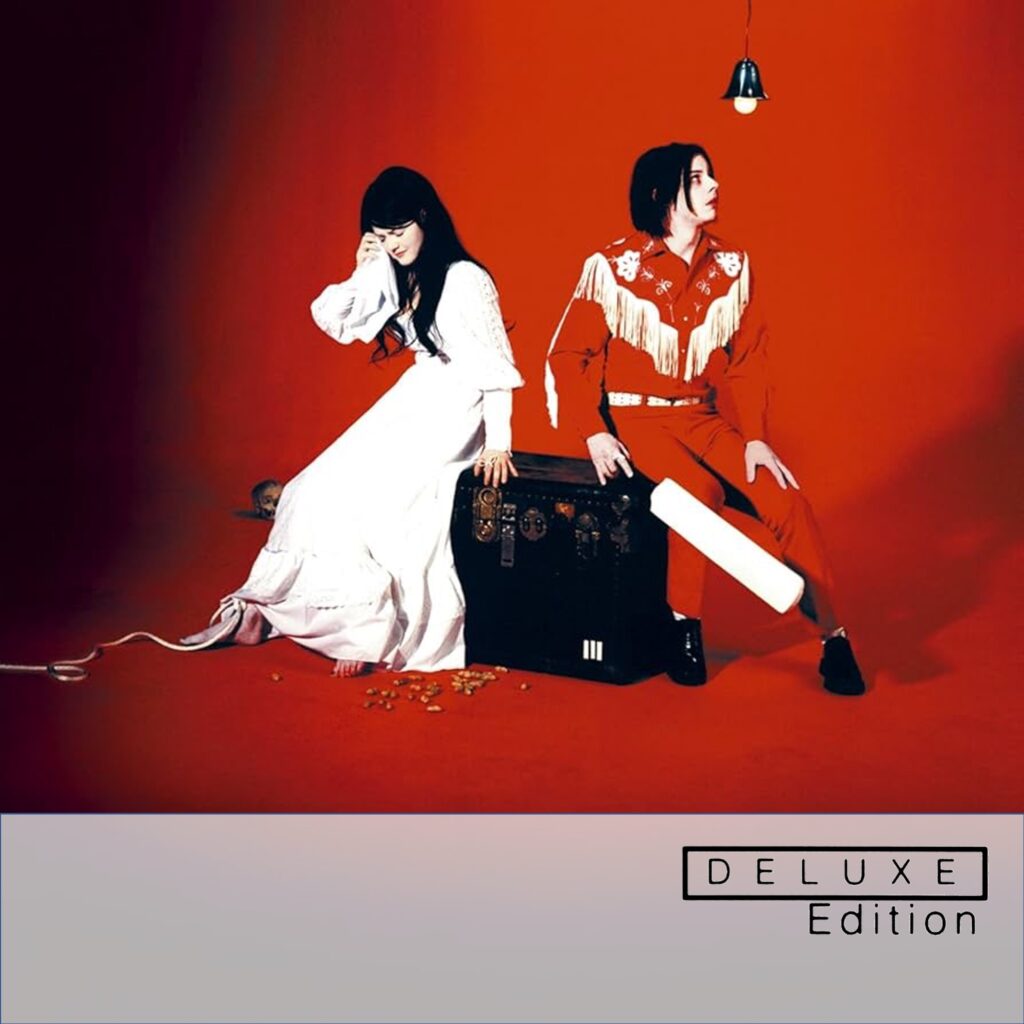
When The White Stripes started to record Elephant, their fourth album, it was decided that they would only use equipment that had been manufactured before 1963. I’m not sure why this date was important but Jack White thought it was and he seemed to know what he was doing as this was their most successful record to date. Containing songs such as ‘Seven Nation Army’ and ‘The Hardest Button To Button’, the LP was their first to hit Number 1 in the UK Album charts. It was also their first to break into the top ten in the USA.
As before, Disc 1 contains the original LP with period singles. Disc 2 contains the mono mix of the album that was released on the Vault 55 package from 2023. This was a dedicated mix, with extras bits of music that had been rediscovered on the master tapes. Unlike the previous Vault ‘XX’ releases from Third Man Records, there wasn’t much in the way of demos, alternative versions or outtakes. A remix of ‘The Hardest Button to Button’ from Beck (released 2011) is included for completeness.
Disc 3 is the first in the series to be a DVD. That is because after the release of ‘Elephant’, the band started to play longer sets which would no longer fit onto a standard length CD without removing a song. Instead of doing that, I have included the audio of their gig at The Aragon Ballroom from 2nd July, 2003. This was inlcuded on the 2023 re-release of ‘Elephant’. The complete ‘Live Under Blackpool Lights’, recorded over two (27th & 28th January 2004) as well as the DVD extras from ‘Elephant XX’ round out the disc.
Disc 1
The album with single A and B sides
Seven Nation Army
Black Math
There’s Not Home For You Here
I Just Don’t Know What To Do With Myself
In The Cold, Cold Night
I Want To Be The Boy To Warm Your Mother’s Heart
You’ve Got Her In your Pocket
Ball & Biscuit
The Hardest Button To Button
Little Acorns
Hypnotise
The Air Near My Fingers
Girl, You Have No Faith In Medicine
It’s True That We Love One Another
Black Jack Davey (Single B-Side)
Who’s To Say (Single B-Side)
St Ides Of March (Single B-Side)
I Fought Piranhas/Let’s Build A Home (Single B-Side)
Disc 2
Mono mix, demos and a remix
Seven Nation Army (Mono Mix)
Black Math (Mono Mix)
There’s Not Home For You Here (Mono Mix)
I Just Don’t Know What To Do With Myself (Mono Mix)
In The Cold, Cold Night (Mono Mix)
I Want To Be The Boy To Warm Your Mother’s Heart (Mono Mix)
You’ve Got Her In your Pocket (Mono Mix)
Ball & Biscuit (Mono Mix)
The Hardest Button To Button (Mono Mix)
Little Acorns (Mono Mix)
Hypnotise (Mono Mix)
The Air Near My Fingers (Mono Mix)
Girl, You Have No Faith In Medicine (Mono Mix)
It’s True That We Love One Another (Mono Mix)
Hypnotised (Solo Demo Mix 1)
Hypnotised (Solo Demo Mix 2)
You’ve Got Her In Your Pocket (Take One)
The Hardest Button To Button (Beck Remix – Single A-Side)
The Hardest Button To Button (Joshua Homme & Mark Lanegan Remix – Single A-Side)
Disc 3 (DVD)
Intro – (Live Under Blackpool Lights – 27th & 28th January 2004)
When I Hear My Name – (Live Under Blackpool Lights – 27th & 28th January 2004)
Black Math – (Live Under Blackpool Lights – 27th & 28th January 2004)
Dead Leaves & The Dirty Ground – (Live Under Blackpool Lights – 27th & 28th January 2004)
I Think I Smell A Rat – (Live Under Blackpool Lights – 27th & 28th January 2004)
Take A Whiff On Me – (Live Under Blackpool Lights – 27th & 28th January 2004)
Astro – (Live Under Blackpool Lights – 27th & 28th January 2004)
Outlaw Blues – (Live Under Blackpool Lights – 27th & 28th January 2004)
Jack The Ripper – (Live Under Blackpool Lights – 27th & 28th January 2004)
Jolene – (Live Under Blackpool Lights – 27th & 28th January 2004)
Hotel Yorba – (Live Under Blackpool Lights – 27th & 28th January 2004)
Death Letter – (Live Under Blackpool Lights – 27th & 28th January 2004)
Do – (Live Under Blackpool Lights – 27th & 28th January 2004)
The Hardest Button To Button – (Live Under Blackpool Lights – 27th & 28th January 2004)
Truth Doesn’t Make A Noise – (Live Under Blackpool Lights – 27th & 28th January 2004)
The Big Three Killed My Baby – (Live Under Blackpool Lights – 27th & 28th January 2004)
Wasting My Time – (Live Under Blackpool Lights – 27th & 28th January 2004)
You’re Pretty Good Looking For A Girl – (Live Under Blackpool Lights – 27th & 28th January 2004)
Hello Operator – (Live Under Blackpool Lights – 27th & 28th January 2004)
Apple Blossom – (Live Under Blackpool Lights – 27th & 28th January 2004)
Ball & Biscuit – (Live Under Blackpool Lights – 27th & 28th January 2004)
Let’s Shake Hands – (Live Under Blackpool Lights – 27th & 28th January 2004)
I Fought Piranhas – (Live Under Blackpool Lights – 27th & 28th January 2004)
Let’s Build A Home – (Live Under Blackpool Lights – 27th & 28th January 2004)
Goin’ Back To Memphis – (Live Under Blackpool Lights – 27th & 28th January 2004)
Seven Nation Army – (Live Under Blackpool Lights – 27th & 28th January 2004)
Da Balli Of De Boil Weevil – (Live Under Blackpool Lights – 27th & 28th January 2004)
Outro – (Live Under Blackpool Lights – 27th & 28th January 2004)
When I Hear My Name – (Live at The Aragon Ballroom – 2nd July, 2003)
Dead Leaves & The Dirty Ground – (Live at The Aragon Ballroom – 2nd July, 2003)
Lovesick – (Live at The Aragon Ballroom – 2nd July, 2003)
Hotel Yorba – (Live at The Aragon Ballroom – 2nd July, 2003)
Aluminium – (Live at The Aragon Ballroom – 2nd July, 2003)
Cool Drink Of Water Blues – (Live at The Aragon Ballroom – 2nd July, 2003)
The Hardest Button To Button – (Live at The Aragon Ballroom – 2nd July, 2003)
I Want To Be The Boy To Warm Your Mother’s Heart – (Live at The Aragon Ballroom – 2nd July, 2003)
Stones In My Passway – (Live at The Aragon Ballroom – 2nd July, 2003)
Stop Breaking Down – (Live at The Aragon Ballroom – 2nd July, 2003)
Do – (Live at The Aragon Ballroom – 2nd July, 2003)
In The Cold, Cold Night – (Live at The Aragon Ballroom – 2nd July, 2003)
Seven Nation Army – (Live at The Aragon Ballroom – 2nd July, 2003)
The Same Boy You’ve Always Known – (Live at The Aragon Ballroom – 2nd July, 2003)
Black Jack Davey – (Live at The Aragon Ballroom – 2nd July, 2003)
We’re Going To Be Friends – (Live at The Aragon Ballroom – 2nd July, 2003)
Offend In Every Way – (Live at The Aragon Ballroom – 2nd July, 2003)
Little Cream Soda – (Live at The Aragon Ballroom – 2nd July, 2003)
Cannon/Party Of Special Things To Come – (Live at The Aragon Ballroom – 2nd July, 2003)
Candy Cane Children – (Live at The Aragon Ballroom – 2nd July, 2003)
The Air Near My Fingers – (Live at The Aragon Ballroom – 2nd July, 2003)
This Protector – (Live at The Aragon Ballroom – 2nd July, 2003)
Screwdriver (Intro) – (Live at The Aragon Ballroom – 2nd July, 2003)
Ball & Biscuit – (Live at The Aragon Ballroom – 2nd July, 2003)
Screwdriver (Reprise) – (Live at The Aragon Ballroom – 2nd July, 2003)
Let’s Build A Home – (Live at The Aragon Ballroom – 2nd July, 2003)
Goin’ Back To Memphis – (Live at The Aragon Ballroom – 2nd July, 2003)
It’s True We Love One Another (Footage Shot At Toe Rag Studios) – (DVD Extras)
Live Shibuya 21st October 2003 – Part 1 – (DVD Extras)
Interview – (DVD Extras)
Live Shibuya 21st October 2003 – Part 2 – (DVD Extras)
The Hardest Button To Button (8mm Film Reel) – (DVD Extras)
John Lennon had formally left The Beatles in September 1969, but had agreed to keep it quiet until all sorts of business deals had been finalised. Paul McCartney retreated to his farm house in Scotland and fell into depression. He took the ending of the band very badly and the situation was not helped by disagreements over who should be looking after The Beatles business affairs. McCartney favoured the family of his wife Linda, whereas the other three appointed the controversial Allen Klein. Luckily for us, Linda convinced him to write new material as well as to finish off songs he had been working on in the last days of The Beatles.
Returning to London, he started to work on what would become the ‘McCartney’ album. Apart from some backing vocals from Linda, everything else was performed by Paul. After working up the songs at his home studio, he then moved to the more professional environment of Morgan Studios. Wanting the keep the project under wraps, he booked the studio time under the name of ‘Billy Martin’. With further sessions completed at EMI, the album was scheduled for a April 1970 release. This lead to further conflict with other Beatles. This was because the Phil Spector produced ‘Let it Be’ LP as well as the film to go along with it were scheduled for released around the same time. Lennon and Harrison wrote to McCartney about pushing the release of the solo album back so The Beatles product could take precedence. Ringo Starr said he would take it around personally to McCartneys house. McCartney did not take kindly to the visit and the release date of his solo LP was not pushed back. As a consequence of all of this, his relationship with his three former band mates was now at an all time low, if non existent.
McCartney followed this by composing a Q&A press release in which he explained the reasons behind his solo LP and The Beatles spitting up. His former band mates were not happy about this also. It seemed to them that McCartney was using the breakup as a way off promoting his album. Lennon was especially displeased because he had kept his own departure from the group quiet the previous year.
The ‘McCartney’ album sold very well, especially in the US but it has come under some criticism for being under produced and lacking in quality material. McCartney soon returned to the studio to record the ‘Ram’ album, which used outside musicians and was more professionally produced. Criticism of the ‘Ram’ LP at the time was harsh, with some of The Beatles (especially Lennon) feeling that some of the songs were directed at him and his wife Yoko Ono. ‘Ram’ has received critical reassessment and is seem a lot more favourably in recent years. However, it is still a disjointed album with some fantastic songs mixed in with some lightweight material.
What if McCartney had not released his first solo album but had used it as a way of working up new material and getting used to recording without his old bandmates? Well, the ‘McCartney’ LP did have some excellent songs on it but overall, it is not very good. What if McCartney had kept the quality songs from the first LP sessions and used them on ‘Ram’ instead? Well, this is what I came up with.
Side A
Too Many People (Ram)
Maybe I’m Amazed (McCartney)
Eat At Home (Ram)
Ram On (Ram)
Long Haired Lady (Ram)
Junk (McCartney)
Side B
Every Night (McCartney)
Monkberry Moon Delight (Ram)
Uncle Albert/Admiral Halsey (Ram)
Smile Away (Ram)
Ram On (Reprise) (Ram)
The Back Seat Of My Car (Ram)
Singles
Maybe I’m Amazed (Mono Single Mix)
Singalong Junk (Mono Single Mix)
Another Day (Mono Single Mix)
Oh Woman, Oh Why (Mono Single Mix)
Uncle Albert/Admiral Halsey (Mono Single Mix)
Smile Away (Mono Single Mix)
For this, I need to change the history of the period a little bit. In this timeline, McCartney decides against releasing the songs he has been recording as an album. Therefore, there isn’t a conflict between his record and the ‘Let It Be’ LP. That means that there isn’t as much bad blood between McCartney and the rest of The Beatles. McCartney takes stock of the situation, listens to what he has produced and comes to the conclusion that what is in the can is not very good and goes off to write some new songs as well as finish off some of the ideas he brought to the ‘Let it Be sessions’ but where not ultimately used*.
With ‘Let It Be’ out, The Beatles offer a joint press release stating that the band is over and all four members set out to release singles. Each ex-Beatle releases an album before the end of the year. except Ringo who releases two. McCartney kicks off his solo career with the single ‘Maybe I’m Amazed’ backed with ‘Singalong Junk’. Both of these song were recorded earlier in the year and is seen by McCartney as a stop gap to keep his name fresh with the record buying public especially as his ex-colleagues have released so much product in comparison.
McCartney takes time at the end of 1970 and early 71 writing new material as well as being in the studio with musicians David Spinoza (Guitar), Hugh McCracken (Guitar) and Denny Sewell (Drums). Enough songs are recorded for an album in their own rite but McCartney decides to include a couple songs from his earlier sessions (‘Junk’ and ‘Every Night’) as well as a stereo mix of ‘Maybe I’m Amazed’**.
Another outtake from the ‘Let It Be’ Sessions is released as a stand alone single at the start of 1971 (as it did in reality) but is not included on the parent album. The single is a top five single in all of the major markets and ‘Ram’ follows in May. For the US, Canadian and Mexico markets, ‘Uncle Albert/Admiral Halsey’ is released with another ‘Ram’ song, ‘Smile Away’ on the B-Side. Both of these songs receive exclusive mono mixes for this release. The LP is a success with the public but not so much with critics who feel McCartney would benefit from a collaborator of the standard of John Lennon to make his work have a harder edge. McCartney goes back the drawing board and forms the band Wings, for which he would continue to have massive commercial success for the rest of the 1970s
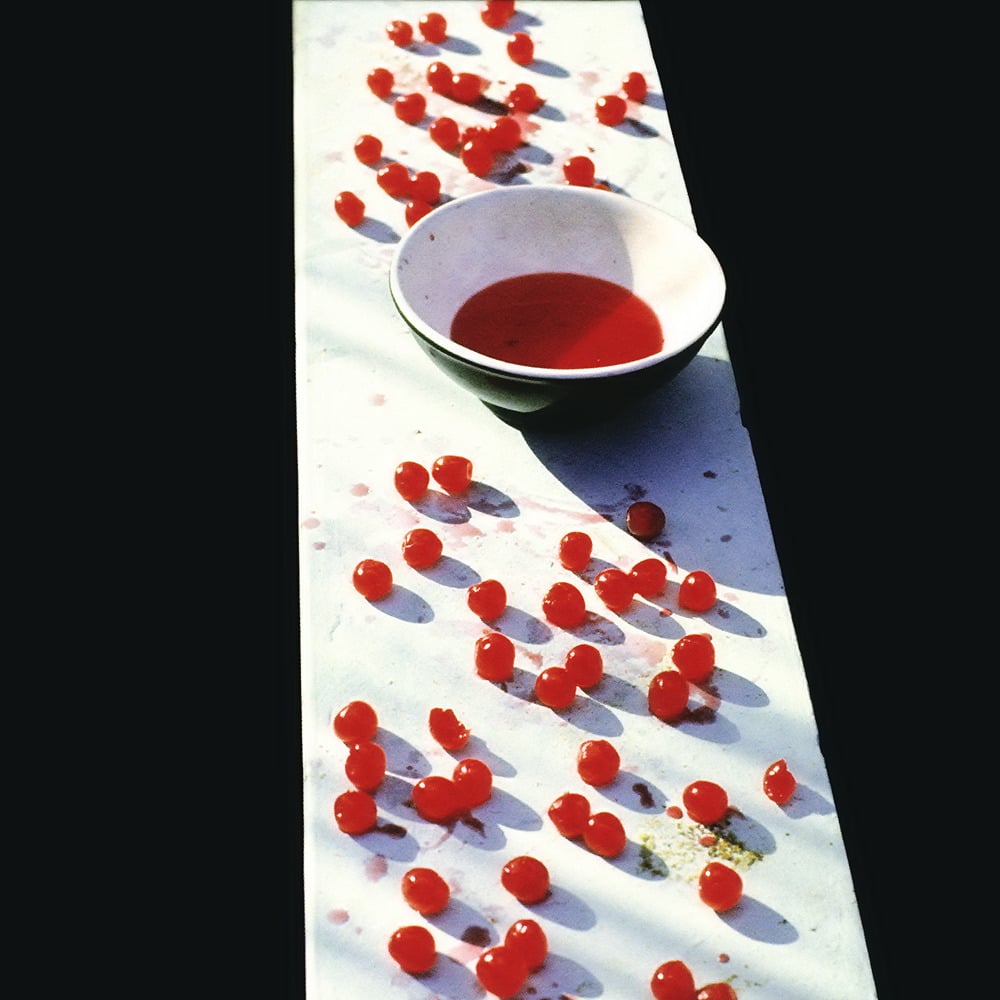
Overall, I feel that this is a vast improvement on the original ‘Ram’ album. If this timeline had been followed instead of what happened in reality, the remaining tracks recorded for the ‘McCartney’ album would no doubt have seen the light of day on some sort of archival release. I used the cover of the ‘McCartney’ as think this is better than the one used for ‘Ram’.
* These songs are ‘Every Night’, ‘Junk’, ‘Back Seat of My Car’, ‘Another Day’